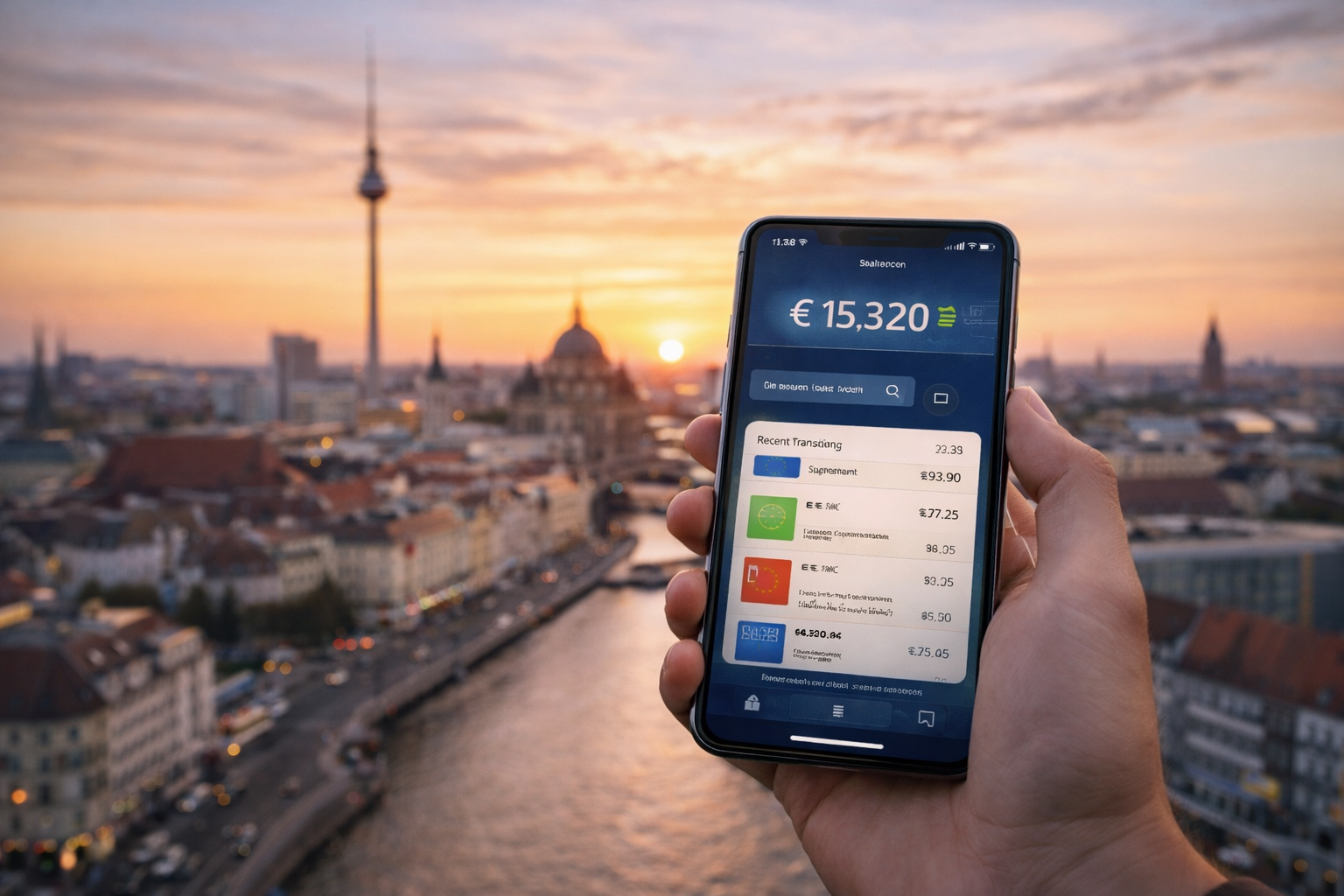


As of January 1, 2026, the era of the “bargain” rail pass has shifted. The Deutschlandticket 2026 now costs €63 per month, a 28% increase from its original €49 launch price. For expats and local residents who have grown accustomed to the simplicity of a single monthly sub, the question is no longer just about convenience—it’s about the math.
For a professional family in Hesse or a weekend traveler looking to escape Frankfurt, the €5 jump from 2025’s price is a tipping point. Does it still make sense to keep the subscription active, or is it time to return to the comfort of your car? We’ve crunched the numbers to see who wins and who loses in the 2026 mobility landscape.
🧭 The 2026 Mobility Shift: Data at a Glance
The 2026 price hike was driven by rising energy costs and wage increases within the transport sector.3 While the federal and state governments have committed to funding the ticket until 2030, the user-financing share is growing.
At a Glance: Mobility Costs 2025 vs. 2026
| Feature | 2025 Status | 2026 Reality |
| Deutschlandticket Price | €58 / month | €63 / month |
| Commuter Allowance | €0.30 (first 20km) | €0.38 (from km 1) |
| Regional Single Ticket (Avg) | €3.80 | €4.10 – €4.25 |
| Gasoline (E10) Avg | €1.65 / L | €1.75 – €1.85 / L |
Is it Still Worth it for Weekend Travelers?
If you only use the Deutschlandticket 2026 for occasional weekend trips from Frankfurt to the Rheingau or Marburg, the value proposition is narrowing.
In 2026, a standard regional day ticket in Hesse often costs between €18 and €24. To make the €63 subscription “pay for itself,” you need to take at least three major round-trips per month.
- The Verdict: If you travel less than twice a month, it is now cheaper to buy individual day tickets.
- The “I” Factor: Personally, we keep it because the “mental load” of checking zones and fare boundaries in Germany is worth the extra €10. There is a luxury in simply hopping on any bus or tram without a second thought.
SEO Data
- SEO Title: Is the Deutschlandticket Worth It in 2026? Price Hike Guide
- URL Slug: deutschlandticket-2026-price-hike-worth-it
- Meta Description: Is the €63 Deutschlandticket still worth it in 2026? Compare costs for families, weekend travelers, and car owners with our data-driven 2026 mobility guide.
- Focus Keyphrase: Deutschlandticket 2026
Is the Deutschlandticket Still Worth It? Analyzing the €63 Price Hike for Families
As of January 1, 2026, the era of the “bargain” rail pass has shifted.1 The Deutschlandticket 2026 now costs €63 per month, a 28% increase from its original €49 launch price.2 For expats and local residents who have grown accustomed to the simplicity of a single monthly sub, the question is no longer just about convenience—it’s about the math.+1
For a professional family in Hesse or a weekend traveler looking to escape Frankfurt, the €5 jump from 2025’s price is a tipping point. Does it still make sense to keep the subscription active, or is it time to return to the comfort of your BMW X2? We’ve crunched the numbers to see who wins and who loses in the 2026 mobility landscape.
🧭 The 2026 Mobility Shift: Data at a Glance
The 2026 price hike was driven by rising energy costs and wage increases within the transport sector.3 While the federal and state governments have committed to funding the ticket until 2030, the user-financing share is growing.
At a Glance: Mobility Costs 2025 vs. 2026
| Feature | 2025 Status | 2026 Reality |
| Deutschlandticket Price | €58 / month | €63 / month |
| Commuter Allowance | €0.30 (first 20km) | €0.38 (from km 1) |
| Regional Single Ticket (Avg) | €3.80 | €4.10 – €4.25 |
| Gasoline (E10) Avg | €1.65 / L | €1.75 – €1.85 / L |
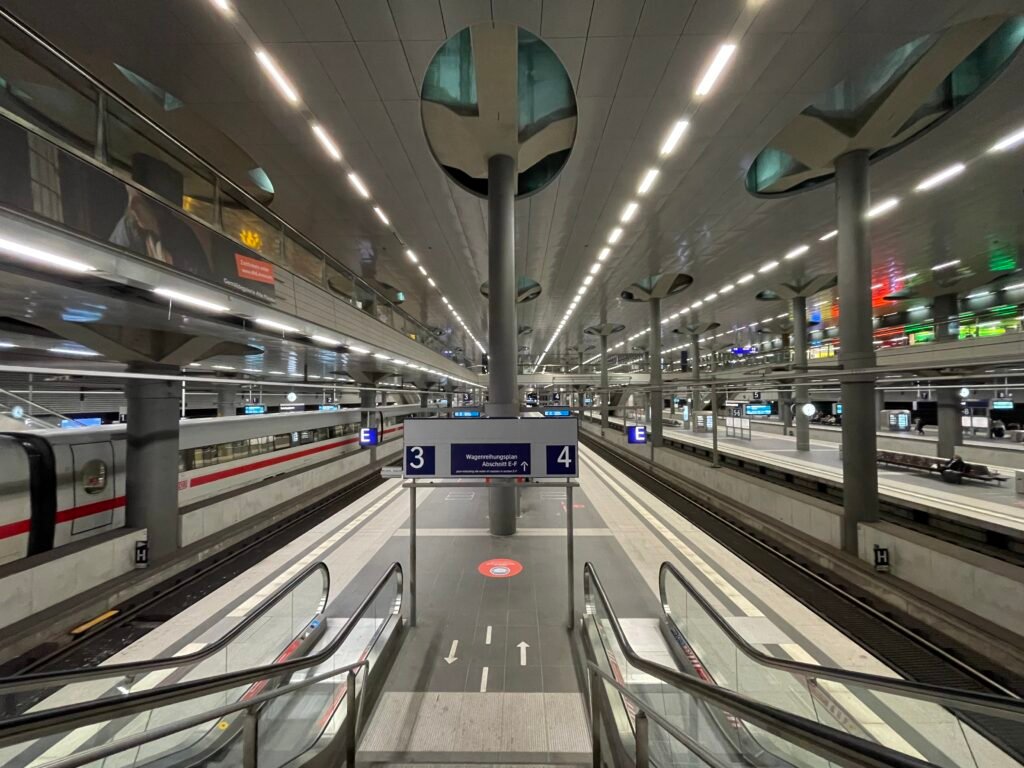
[Image: A modern regional train at a station in Hesse, with a family boarding with a stroller.]
Is it Still Worth it for Weekend Travelers?
If you only use the Deutschlandticket 2026 for occasional weekend trips from Frankfurt to the Rheingau or Marburg, the value proposition is narrowing.
In 2026, a standard regional day ticket in Hesse often costs between €18 and €24. To make the €63 subscription “pay for itself,” you need to take at least three major round-trips per month.
- The Verdict: If you travel less than twice a month, it is now cheaper to buy individual day tickets.
- The “I” Factor: Personally, we keep it because the “mental load” of checking zones and fare boundaries in Germany is worth the extra €10. There is a luxury in simply hopping on any bus or tram without a second thought.
👨👩👧 “People Also Ask”: Families and Children
Does the Deutschlandticket cover my children in 2026?
No. The Deutschlandticket 2026 remains non-transferable and does not include a “carry-on” rule for older children.
- Under 6: Travel for free across all of Germany.
- 6 to 14: They need their own ticket. Many states offer a discounted “Schülerticket” (student ticket) which is often cheaper than the €63 full pass.
Can I share my ticket with my spouse?
No. The ticket is tied to your ID. However, if you are both working, check your [Internal Link: /wealth] Job-Ticket options [/Internal Link]. In 2026, many employers subsidy the pass, bringing your personal cost down to roughly €44.10.
Is there a “Family Version” of the Deutschlandticket?
Not yet. Despite political pressure in late 2025, there is no federal family-flatrate. Families must still purchase individual subscriptions for everyone aged 6 and up.
🚗 Car Owners vs. Rail Users: The 2026 Math
For car owners, the decision to keep the Deutschlandticket 2026 depends on your commute length. Because the Pendlerpauschale (Commuter Allowance) increased to 38 cents per km from the first kilometer this year, the tax office is effectively subsidizing your car more than your train.
- Short Commutes (<10km): Public transport is almost always cheaper than fuel and wear-and-tear on a car.
- Long Commutes (30km+): If you drive, your tax deduction is massive (€2,500+). However, if you use the rail pass and claim the allowance, you win twice.
- The 2026 Strategy: Use the [External Link: https://www.bahn.de] DB Navigator app to compare your commute time. If the train takes less than 20% longer than driving, the €63 is a “sanity saver” that lets you work or read while you travel.
How to Cancel or Pause (The 10th Rule)
If the €63 price hike is too much for your 2026 budget, remember the “Golden Rule of 10.”
- The Deadline: You must cancel your subscription by the 10th of the current month to avoid being charged for the next one.
- The Platform: Most providers (RMV in Hesse, BVG in Berlin) now allow a one-click “Pause” feature in their apps, which is much better than the paper cancellations of the past.
Key Takeaways for Residents
- Price: The new monthly cost is €63.
- Usage: It pays for itself after 3-4 regional trips per month.
- Families: Children 6+ need their own ticket; toddlers under 6 are free.
- Tax Win: Combine the ticket with the new 38-cent commuter allowance to maximize your 2026 tax return.
The Deutschlandticket 2026 is no longer the “no-brainer” it was at €49, but it remains the most powerful mobility tool in Europe. For us, the freedom to travel from the Swiss border to the Baltic Sea on one digital pass is still worth the price of a few fancy coffees.
Read next: [Kindergeld in 2026: Amount, Rules & How to Apply]