House rules in a German shared flat (WG): cleaning, guests, noise and bills
What your flatmates expect, a cleaning rota you can copy, and messages for awkward moments.
Short answer
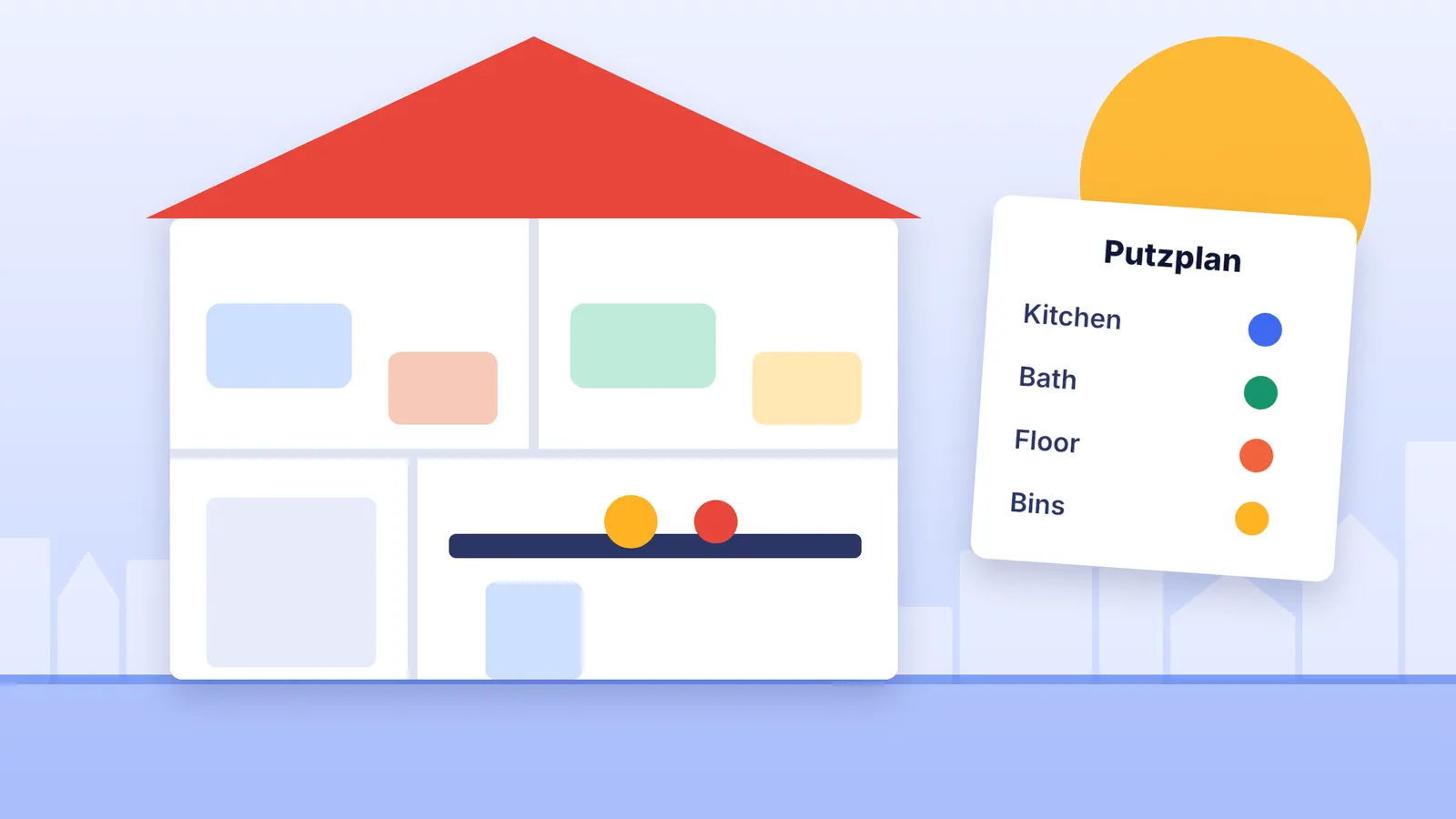
In a German shared flat (WG), expect a cleaning rota (Putzplan), clear guest rules, quiet hours from about 10 pm to 6 am, and bills split evenly, including one Rundfunkbeitrag of €18.36 a month for the whole flat. Agree the rules in writing in your first week to avoid most conflicts.
30-second summary
Living in a WG (shared flat) in Germany can be amazing… or super awkward if the “house rules” are unclear. Most WGs expect: a cleaning rota (yes, seriously), clear guest limits, respect for quiet hours (Ruhezeit), and fair bill splitting (Nebenkosten, Strom, internet, Rundfunkbeitrag). This guide gives you practical rules, common mistakes, scripts to copy-paste, and a 7-day checklist so you don’t start your WG life with stress.
What is a WG, and why do “house rules” matter so much in Germany?
A WG (Wohngemeinschaft) is a shared flat where multiple people rent rooms and share common spaces like the kitchen, bathroom, and living room.
In many countries, shared flats run on “adjust kar lo” vibes. In Germany, WGs often run on clear expectations. Not because people are cold—because people really value:
- Fairness (everyone does their part)
- Quiet and privacy
- Clean shared spaces
- Planning (especially for guests and bills)
House rules matter because small things become big things fast in a shared home. One person’s “it’s fine” can be another person’s “this is disrespectful.”
Most common WG reality: You don’t need to become best friends. You just need a system that feels fair.
Common WG mistakes newcomers make in Germany
These are the classics (and yes, many people learn them the hard way):
- Assuming cleaning is optional until someone snaps
- Leaving dishes “to soak” overnight (Germany: not a fan)
- Inviting friends over without informing (even if it’s “just 2 people”)
- Not respecting quiet hours (Ruhezeit) on weekends or nights
- Treating shared things as “public property” (salt, oil, toilet paper)
- Paying bills late because “it’s just a few days” (people hate chasing)
- Using the washing machine at midnight (yes, this counts as noise)
- Not asking how the fridge works and accidentally eating someone’s stuff
If you avoid just these, you’re already ahead.
Things Germans consider rude in a WG (even if you didn’t mean it)
No judgement—this is more like “culture translation”:
- Dirty sink / food bits in the drain
- Hair left in bathroom drain
- Strong cooking smells + no ventilation
- Loud phone calls in the hallway
- Guests using bathroom/kitchen often without warning
- Not separating trash properly (this can become a BIG topic)
- Not replacing what you finish (toilet paper, soap, bin bags)
- Passive-aggressive notes (some do it, but it creates a bad vibe)
Cleaning rules in a WG: what’s “normal” in Germany?
Typical cleaning expectations
Most WGs do one of these:
- Cleaning rota (Putzplan): weekly duties rotate
- Fixed zones: each person owns certain areas
- Cleaner hired (less common in student WGs, more in working-professional WGs)
Shared areas usually include:
- Kitchen (counter, sink, stove, microwave)
- Bathroom (sink, toilet, shower)
- Hallway / entry
- Trash / recycling area
- Shared living area (if you have one)
Personal room responsibility:
- Your room is your business… until it causes smell, pests, or shared damage.
- Example: leaving food rotting in your room? That becomes everyone’s problem.
What counts as “clean” (WG definition, not Instagram clean)
“Clean” usually means:
- No visible mess
- No strong smell
- Surfaces wiped
- Trash taken out before it overflows
- Bathroom looks usable for the next person
- Kitchen sink empty (or at least your dishes not camped there)
Awkward situation: “I thought it was clean…”
If your flatmate says, “Can you clean properly?” they may mean:
- Toilet brushed (not only flushed)
- Mirror wiped
- Hair removed from drain
- Floor mopped (not just swept)
- Stove cleaned after cooking
Quick rule that saves friendships:
A simple cleaning rota that actually works
Keep it simple. No one wants a 2-page checklist.
Sample weekly cleaning plan (table)
You can copy-paste this into your WG WhatsApp group:
| Week | Person A | Person B | Person C | Person D |
|---|---|---|---|---|
| 1 | Bathroom | Kitchen | Trash + Recycling | Hallway + Common area |
| 2 | Kitchen | Trash + Recycling | Hallway + Common area | Bathroom |
| 3 | Trash + Recycling | Hallway + Common area | Bathroom | Kitchen |
| 4 | Hallway + Common area | Bathroom | Kitchen | Trash + Recycling |
What each task includes (keep it pinned somewhere):
- Bathroom: toilet, sink, mirror, shower area, floor, empty bathroom bin
- Kitchen: wipe counters, clean sink, stove top, sweep/mop floor, clean shared sponge area
- Trash + recycling: take out bins, replace bin bags, handle Pfand bottles if shared
- Hallway/common: vacuum/sweep, wipe dust spots, tidy shoe area, clear clutter
Shared areas vs personal room responsibilities
Shared areas:
- Clean as per rota + clean your mess immediately (especially kitchen)
Personal room:
- Your room, your rules …but avoid:
- Smells, mould, pests
- Loud music bleeding into shared areas
- Blocking shared storage with your stuff
Guests in a WG: overnight stays, partners, and how to ask politely
Guests can be the #1 WG conflict. Not because people hate visitors—because visitors change the home dynamic.
Typical guest expectations in Germany (not official rules, just common WG norms)
- Inform before inviting people over (especially if it’s more than 1–2)
- Overnight guests should be limited and communicated
- Partners staying often can feel like an “extra flatmate”
- Guests should not take over bathroom/kitchen for long
- Guests should respect quiet hours too
Guest rule checklist (simple and fair)
Use this as your WG baseline:
- Ask before inviting more than 2 people
- Give a heads-up for overnight guests
- Keep common spaces usable (don’t occupy all evening)
- Guests clean up after themselves (or you do it)
- No “surprise stay for 5 nights”
- If your partner is over often, discuss a fair plan (space, bills, time)
- Respect if someone says “not today” (exam, work, not feeling well)
Copy-paste message scripts (Guests)
Asking to invite friends over
“Hey guys, I’m planning to invite 2–3 friends on Friday evening around 7 pm. We’ll keep it chill, no loud music, and we’ll clean up after. Is everyone okay with that?”
Asking for a partner to stay over
“Hey, quick one — my partner wants to stay over this weekend (Sat–Sun). We’ll be mostly in my room and won’t disturb anyone. Would that be okay for you all?”
Responding if someone’s guests are too frequent
“Hey, can we talk about guests for a minute? Lately it feels like we have visitors very often, and it’s getting a bit difficult with bathroom/kitchen space. Can we agree on a limit or just give a heads-up in advance?”
Small tip: Keep it about impact (“bathroom space”, “noise”, “privacy”), not about the person.
Noise in a WG: Ruhezeit, parties, music, phone calls
Germany takes quiet seriously.
What is Ruhezeit?
Ruhezeit means quiet hours. Exact hours can vary by city/building/house rules, but commonly:
- Night quiet: around 10 pm to 6 am
- Sunday and public holidays: often stricter vibes
- Some buildings also have “midday quiet” (less common, but it exists)
Also: quiet doesn’t mean “no sound.” It means no loud, disturbing noise.
Common noise flashpoints in WGs
- Loud music or bass
- Phone calls on speaker in common areas
- Parties without warning
- Washing machine late night
- Cooking and banging utensils at 1 am
- Door slamming, stomping in hallway
What to do if a flatmate is loud (step-by-step)
- Assume they don’t realise. Mention it once, politely and early.
- Be specific. Say what sound + what time + how it affects you.
- Suggest an alternative. Headphones after 10 pm, calls in room, etc.
- If it repeats, follow up firmly (still calm).
- If it’s still not improving, escalate within the flat: WG meeting, written agreement in chat.
- If you need to go outside the flat (landlord/house manager), keep it factual. No drama, no insults.
Copy-paste message scripts (Noise)
Polite request
“Hey, sorry to disturb — could you please lower the volume a bit? I can hear it clearly in my room and I’m trying to sleep/study. Thanks!”
Firmer follow-up
“Hey, we spoke about the noise before. It’s still happening after 10 pm and it’s affecting my sleep. Can we please agree that after 10 we use headphones / keep it low?”
Escalation to landlord/house manager (non-legal wording)
“Hello, I live in apartment ___. I’m having repeated issues with loud noise during quiet hours in the flat/building. I tried to resolve it directly, but it keeps happening. Could you please advise the right way to handle this and remind residents about the house quiet hours? Thank you.”
(Keep it calm and factual. You’re asking for guidance, not threatening.)
Bills in a WG: rent, utilities, internet, Rundfunkbeitrag, cleaning supplies
Common German terms (explained casually)
- Kaltmiete: “cold rent” = base rent without extra running costs
- Warmmiete: “warm rent” = rent including some utilities (often includes heating + building costs)
- Nebenkosten: “additional costs” like heating, water, building cleaning, trash, etc. (depends on contract)
- Strom: electricity (sometimes included, often separate)
- Kaution: deposit (usually a few months’ rent; rules vary)
- GEZ / Rundfunkbeitrag: Germany’s broadcasting contribution (one per household, not per person)
Friendly note: Contracts and deposits can get complicated. I’m not a lawyer, and rules can vary—treat this as general info.
How splitting bills usually works
Different WGs handle bills differently:
- One “main tenant” pays, others transfer monthly
- Everyone pays their own contracts (less common)
- Bills are split via an app or shared spreadsheet
Simple example (with numbers)
Let’s say 3 people share:
- Internet: €45/month
- Electricity (Strom): €90/month
- Rundfunkbeitrag: €18.36/month
- Cleaning supplies: approx €15/month
Total: 45 + 90 + 18.36 + 15 = €168.36/month Split 3 ways: 168.36 ÷ 3 = €56.12 per person
You can round it to €56 or €57 and adjust next month. The goal is “fair + easy”.
Tools people use to split costs
- Splitwise (common and simple)
- A shared Google Sheet
- A WhatsApp group note + monthly screenshot of bills
Pro tip: Decide one fixed day for transfers (example: 1st of every month). Otherwise it becomes chasing.
Bills nobody thinks about (until it’s awkward)
- Toilet paper and bin bags
- Dishwasher salt / tabs
- Cleaning spray and sponges (yes, sponges become a debate)
- Light bulbs
- Shared kitchen basics (if you decide to share)
If you share these, set a rule:
- One person buys monthly, others transfer fixed amount or
- Everyone takes turns buying supplies
If you’re budgeting for your first month, check Cost of Living in Germany (2026).
Food and fridge rules: labels, shared items, and “who ate my stuff?”
Food is emotional. Even calm people get annoyed when their food disappears.
Fridge etiquette (simple rules that prevent fights)
- Label your items (name + date if needed)
- Don’t eat anything that isn’t yours unless it’s clearly “for everyone”
- No open, smelly food without proper container
- Clean spills immediately
- Do a weekly fridge check (throw expired stuff)
- Don’t take over all shelves (agree on space)
- If you finish shared milk/coffee, replace it
- Leftovers: if it’s not yours, don’t touch. Ask first.
Awkward situation: “Did you eat my paneer/chicken/ice cream?”
Don’t start with accusation. Start with curiosity.
Script: “Hey, small question — my (item) was in the fridge and I can’t find it now. Did someone use it by mistake? No worries, just tell me so I know.”
If it keeps happening: “Hey guys, can we please make a clear rule that we don’t use each other’s food without asking? It’s happening a few times and it’s getting frustrating.”
Conflict in a WG: how to talk without drama
Conflict is normal. The goal is to handle it early, before it becomes passive-aggressive.
A simple 3-step approach that works
- Name the situation (fact, not judgement)
- Say the impact (how it affects you)
- Ask for a specific change (easy to follow)
Example
- Fact: “The kitchen sink has dishes overnight.”
- Impact: “I can’t use the sink in the morning and it smells.”
- Ask: “Can we agree dishes are done before sleeping or latest by next morning 9 am?”
Copy-paste conflict scripts
When someone skips cleaning: “Hey, I noticed the bathroom cleaning didn’t happen this week. Can you please do it by tomorrow evening? If you’re busy, we can swap weeks.”
When you need a WG meeting: “Hey guys, can we do a quick 15-minute WG check-in this week? Just to align on cleaning/guests/bills so things stay smooth.”
When you want to keep it calm: “I’m not trying to blame anyone. I just want a solution that works for all of us.”
Red flags: signs your WG will be stressful (and how to protect your sanity)
Some WGs are peaceful. Some are chaos with WiFi.
Red flags to watch
- Nobody agrees on basic rules (cleaning/guests/noise)
- People avoid talking and only complain in private
- Constant passive-aggressive messages
- Flatmates “forget” to pay bills regularly
- One person controls everything and doesn’t listen
- People bring guests without warning all the time
- Trash separation is ignored (and others are blamed)
- You feel anxious in your own home
How to protect your sanity
- Keep things in writing (WhatsApp messages are enough)
- Pay bills on time and keep screenshots
- Don’t become the unpaid manager of the flat
- Set boundaries early (guests, noise, shared items)
- If it’s not improving, consider moving—peace is worth it
First 7 days in a new WG checklist
Save this. It’s your “avoid awkwardness” starter pack.
1–2: Basics
- Ask: “Do we have a cleaning rota (Putzplan)?”
- Ask: “Any guest rules?”
- Ask: “Quiet hours / building rules?”
- Ask: “How do we split bills and when do we transfer?”
- Confirm WiFi + how to pay internet
3–4: Shared systems
- Take a photo of the bins and ask about recycling (seriously helpful)
- Ask what’s shared vs personal: oil, spices, cleaning spray, toilet paper
- Choose your fridge shelf / cabinet space
5–7: Smooth living
- Add your bill payment reminder (monthly)
- Do your first cleaning turn properly (first impression matters)
- Save key contacts: main tenant, landlord/house manager (if shared)
- If relevant, check if you need Anmeldung and what address details you need (depends on your situation)
Copy-paste messages section (quick list)
Cleaning swap request: “Hey, I’m a bit stuck this week. Can we swap cleaning duties? I’ll take your turn next week.”
Guest heads-up: “Hey guys, I’ll have a friend over for a couple of hours today. We’ll keep it quiet and won’t use shared space too much.”
Bill reminder without sounding rude: “Hey, quick reminder — bills are due this week. Please transfer by Friday so it’s easy to track. Thanks!”
Noise heads-up party style: “Hey, I’m thinking of having a small get-together on Saturday. I’ll keep it limited, and we’ll stop loud music by 10. Is everyone okay with it?”
Questions people ask
What is a WG in Germany?
A WG is a shared flat where each person rents a room and shares spaces like kitchen and bathroom. It’s common for students and newcomers because it’s cheaper and more social. But it also needs rules so the shared areas stay clean, quiet, and fair for everyone.
Is a cleaning rota normal in German shared flats?
Yes, very normal. Many WGs use a “Putzplan” where cleaning tasks rotate weekly. It’s not about being strict—it’s about fairness. Without a rota, one person usually ends up doing more work and resentment starts fast.
Can my partner stay over in a WG?
It depends on your flatmates and the agreement in your WG. Many WGs are okay with occasional overnight stays, but regular stays can feel like an extra person living there. Best approach: ask early, be transparent, and agree on limits.
What are quiet hours (Ruhezeit) in Germany?
Ruhezeit means quiet hours when loud noise should be avoided. Often it’s around 10 pm to 6 am, and Sundays can be extra sensitive. The exact rules may vary by building, so ask your flatmates or check any posted building notices.
What bills do WG flatmates usually split?
Common shared bills include internet, electricity (Strom), Rundfunkbeitrag (broadcasting fee), and cleaning supplies. Some places also split extra costs depending on how rent is structured. A shared app or simple spreadsheet makes it easier.
What is Rundfunkbeitrag (GEZ) and who pays it in a WG?
Rundfunkbeitrag is a monthly broadcasting contribution in Germany. It’s typically paid once per household, not per person. In a WG, flatmates usually split it evenly. One person pays it and the others transfer their share monthly.
What should I do if a flatmate is always loud?
Start with a polite message and be specific about time and impact. Suggest a simple fix like headphones after 10 pm. If it continues, follow up more firmly and propose a WG agreement. If nothing works, escalate calmly to the house manager for guidance.
How do I avoid food fights in a shared fridge?
Agree early on what’s shared and what’s personal. Label your food, don’t take others’ items without asking, and keep the fridge clean. If something goes missing, ask calmly first instead of accusing—most issues are misunderstandings at the start.
Do I need to clean even if I’m rarely at home?
Usually yes—because you still use the kitchen/bathroom sometimes, and rotas are based on fairness, not exact minutes spent. If you’re truly away for a whole week, inform your flatmates and swap tasks in advance.
What if my flatmates’ cleaning standard is much higher than mine?
Ask what “clean” means to them and request a simple checklist (toilet, sink, floor, etc.). It’s better to align early than keep guessing. If needed, suggest a middle-ground standard that everyone can maintain realistically.
How often is “too often” for overnight guests?
There’s no single number, but problems start when it feels like a fourth person is living there. If your partner stays multiple nights every week, discuss it openly and agree on a limit and shared-space expectations.
What if someone never pays bills on time?
Keep a fixed due date, send friendly reminders, and track payments in a shared sheet/app. If it continues, ask for a direct solution: standing order transfer, or paying 1 month in advance. If needed, reduce shared bills managed by that person.
Should I put house rules in writing?
Yes, even just a pinned message is helpful. It’s not “too formal”—it prevents confusion. Keep it short: cleaning rota, guest limits, quiet hours, bill due date, and what’s shared vs personal.
This article is for general information only. We are not legal advisors. Rules can vary by building, landlord, and contract.
Information only. Not legal, tax or financial advice. Rules change, so check the official source linked above before you act.
Was this guide helpful?