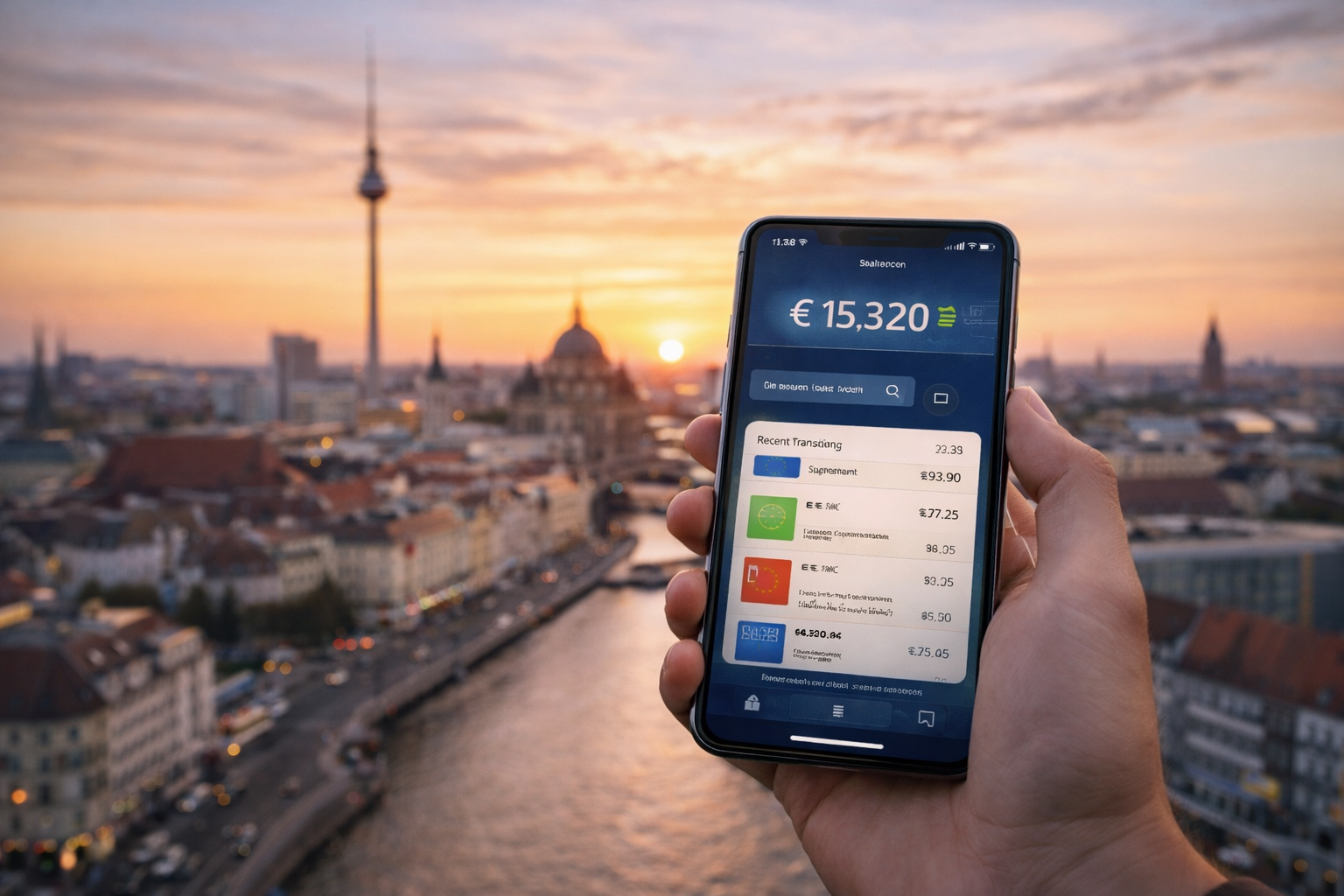


They say German bureaucracy is where dreams go to die, but in 2026, the story is changing. As an expat living in Hesse, I recently navigated the Elterngeld Hesse 2026 process for our new arrival. To my absolute shock, we went from “Submit” to “Approved” in exactly 14 days.
If you are a fellow professional—specifically if you are an Indian passport holder with Permanent Residence (PR) like me—you know that “digital” in Germany often comes with a catch. While the process wasn’t 100% paperless for us, it was the most efficient government interaction I’ve had in a decade. Here is the unscripted breakdown of how we fast-tracked our application.
🧭 The 2026 Shift: Law vs. Reality
Before we dive into the “How,” let’s look at the “What.” The laws for Elterngeld Hesse 2026 have tightened on income but loosened on digital access. Here is what changed for births this year:
At a Glance: Elterngeld Law Changes
| Feature | 2025 Regulations | 2026 Update |
| Income Limit (Couples) | €175,000 taxable income | €175,000 (Firm cap) |
| Digital ID (BundID) | Optional / Beta | Preferred / Primary |
| Hesse Process Time | 4–8 weeks | 2–4 weeks (Digital) |
| Parallel Receipt | Max 1 month | Strict 1-month limit |
The Hesse Advantage: Why 2026 Feels Different
Hesse has been a frontrunner in adopting the ElterngeldDigital system. In 2026, the portal is no longer a clunky beta version; it’s a streamlined assistant. It uses “Smart Logic” to skip questions that don’t apply to your specific visa or work situation.
For those of us in the Rhine-Main area, the speed of the Elterngeldstelle has drastically improved. By using the digital portal, your data is pre-validated before it even reaches a human clerk. This prevents the “ping-pong” of letters asking for missing information that usually adds months to the timeline.
The “Indian Expat” Catch: Why Digital ID Failed (And How We Fixed It)
One of the big promises of Elterngeld Hesse 2026 is the “Online ID” function using the BundID. However, as an Indian citizen with a Niederlassungserlaubnis (PR), I hit a common 2026 friction point.
The Identity Gap
Even though my residence permit card has the eID function activated, the portal occasionally struggles to verify non-EU passports for “Full Digital” submission. If the system tells you it cannot verify your identity online: Do not panic.
The Hybrid Workaround
The system allows you to switch to a “Sign & Send” mode.
- We filled out everything online (which keeps the 14-day speed intact).
- At the end, the portal generated a PDF “Signature Page” (Unterschriftsblatt).
- We printed this single page, signed it, and physically dropped it off at the local office in Hesse.
This “Hybrid” approach is the secret. The data is already in their system; they just need that physical signature to trigger the final approval.
Step-by-Step: The 14-Day Fast Track
If you want your Elterngeld Hesse 2026 approved while your baby is still a newborn, follow this exact sequence:
1. Pre-Birth Preparation
Don’t wait for the birth to start. Create your account on the ElterngeldDigital portal in your eighth month. You can save your progress and upload your last 12 months of payslips and your PR permit ahead of time.
2. The Day of Birth
Once you have the birth certificate (usually issued within 3-5 days in Hesse), upload a digital scan immediately. In 2026, many hospitals in Frankfurt and Wiesbaden now transmit birth data directly to the registry office, speeding up this step.
3. The Employer “Bescheinigung”
In 2026, most large employers in Hesse use the digital HR interface. Ask your HR department for the “Elterngeld-Schnittstelle” code. This allows the portal to pull your salary data automatically, removing the need for manual uploads.
Common Pitfalls We Avoided
To keep your Elterngeld Hesse 2026 application in the “Fast Lane,” avoid these classic expat mistakes:
- Tax Class Confusion: If you changed tax classes to maximize your Elterngeld, ensure you upload the Steuerklassenwechsel confirmation.
- The “Maternity Pay” Gap: If your wife is also an expat, ensure her Mutterschaftsgeld (Maternity Pay) statement from the Krankenkasse is uploaded. The Elterngeld office cannot calculate your amount without knowing what the insurance already paid.
- Ignoring the Mail: Even in 2026, the final Bescheid (approval letter) arrives by post. Check your physical mailbox!
Key Takeaways for Expats in Hesse
- Speed is Possible: 14-day approval is the new benchmark for “Complete” digital applications.
- PR/Non-EU Status: If online ID fails, use the “Sign & Send” hybrid method. It doesn’t slow down the backend processing.
- Hesse Portal: Use the specific Hessisches Beantragungsportal links provided within ElterngeldDigital.
- Don’t Wait: Apply within 3 months of birth, but aim for week one for the fastest results.
The 2026 system is proof that Germany is finally catching up. For our family, getting that approval in two weeks meant we could stop worrying about finances and focus on what mattered: our 7-month-old.
Read next: [Kindergeld in 2026: Who Qualifies and How to Apply] to complete your family’s financial setup.
👨👩👧 “People Also Ask”: Your 2026 Elterngeld FAQ
Can I get Elterngeld in 2026 if my ID card wasn’t verified online?
Yes! As we experienced, you can still use the digital portal. Simply choose the “postal submission” of the signature page at the end. Your data remains digital, and the office simply scans your signature to activate the file.
How much Elterngeld will I receive in 2026?
The 2026 rates remain between €300 (minimum) and €1,800 (maximum) per month. The exact amount is roughly 65% of your average net income from the 12 months prior to the birth.
Does Hesse have its own Elterngeld portal?
Hesse uses the national ElterngeldDigital platform, but it routes your application to local offices (like Frankfurt, Wiesbaden, or Gießen) based on your zip code.