
Germany is making 2026 the year to go electric for company car drivers. The EV Tax Relief 2026 rules have officially raised the Gross List Price (Bruttolistenpreis) threshold for the most favorable tax treatment. This adjustment makes high-end luxury EVs financially attractive for skilled workers and executives.
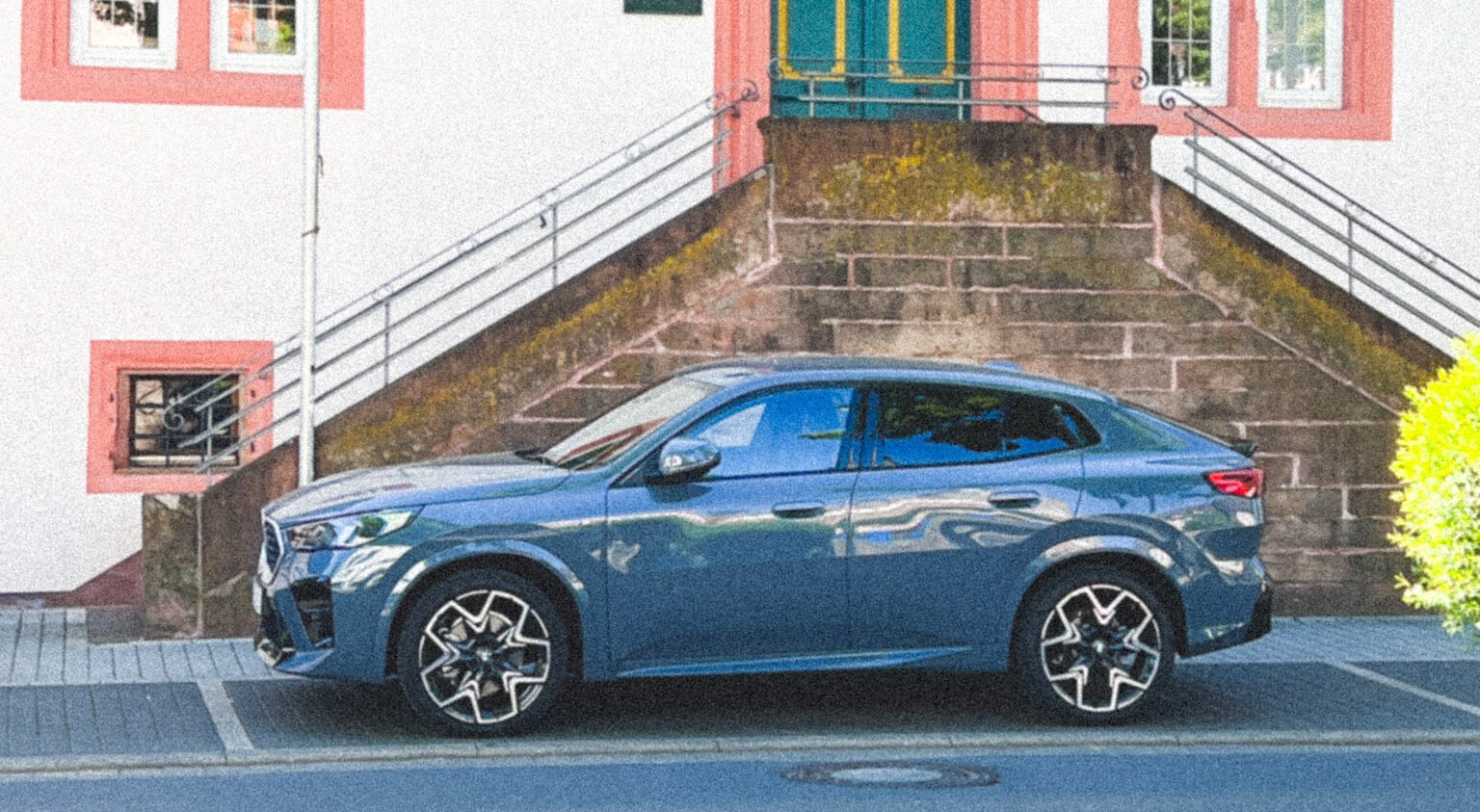
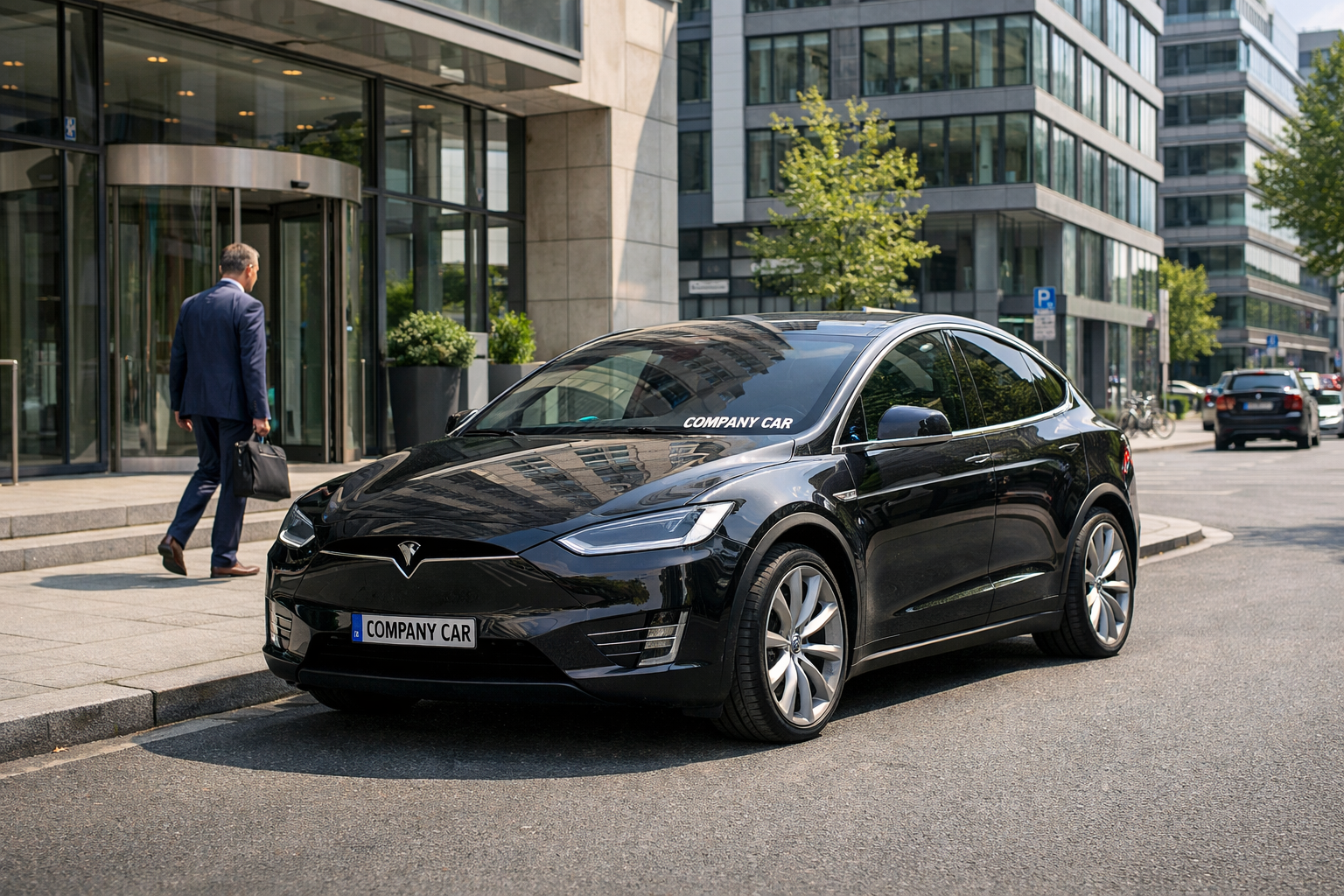
For employees with a Dienstwagen (company car) option, this change means that models like the Porsche Taycan, BMW iX, or Tesla Model X are no longer just aspirational—they are smart financial choices.
EV Tax Relief 2026: The 0.25% Rule Explained
In Germany, using a company car for private purposes is considered a non-cash benefit, which is taxed.
- ICE vehicles: You pay tax on 1% of the car’s gross list price per month.
- Electric vehicles under €100,000: You pay only 0.25%, dramatically lowering taxable income.
Reference: Federal Ministry of Finance – Company Car Tax Rules
EV Tax Relief 2026: What Changed in 2026
Previously, the 0.25% rule applied only to EVs under €70,000. As of 2026, the limit has risen to €100,000, bringing luxury EVs into the lowest tax bracket.
This change is part of the Investment Growth Act 2026, encouraging corporate electrification while reducing CO₂ emissions.
Reference: Clean Energy Wire – Germany EV Incentives
The Monthly Savings: A Practical Example
| Car Type | List Price | Tax Rate | Monthly Taxable Base |
|---|---|---|---|
| Audi Q7 (Diesel) | €90,000 | 1.0% | €900 |
| BMW iX (Electric) | €95,000 | 0.25% | €237.50 |
By choosing the EV, you reduce your taxable income by over €650 per month. For someone in the 42% income tax bracket, that equates to roughly €273 net savings monthly—a substantial boost to take-home pay.
Reference: Tax Savings on EV Company Cars – PwC Germany
Special Depreciation for 2026
The 2026 rules also introduced a special first-year depreciation allowance for self-employed expats and business owners. You can write off 75% of a new EV’s value in the first year, reducing your Gewerbesteuer (Trade Tax) while upgrading your vehicle.
This makes luxury EVs not only cost-effective for employees but also an attractive investment for business owners.
Reference: German Tax Incentives for EVs – Deloitte Germany
Why Luxury EVs are Now Irresistible
With the 0.25% rule extended to €100,000 and the first-year depreciation allowance, luxury EVs are more affordable than ever for company car drivers. Choosing an EV is now financially smarter than a comparable ICE SUV, especially when factoring in monthly taxable benefits, corporate tax deductions, and lower running costs.
For company car drivers, 2026 represents a unique window to combine eco-friendly driving with tangible financial benefits—without sacrificing performance or style.